Exploring the Impact of IGO Technology on Tabletop Gaming
Tabletop games have long been a beloved pastime, bridging gaps between generations and forming an essential part of cultural history. These games range from traditional board games, like chess and checkers, to intricate role-playing games (RPGs), such as Dungeons & Dragons. Today, the horizon of tabletop gaming is being expanded with the integration of IGO Technology, a transformative approach that revolutionizes the way we perceive and engage with these games.
What is IGO Technology?
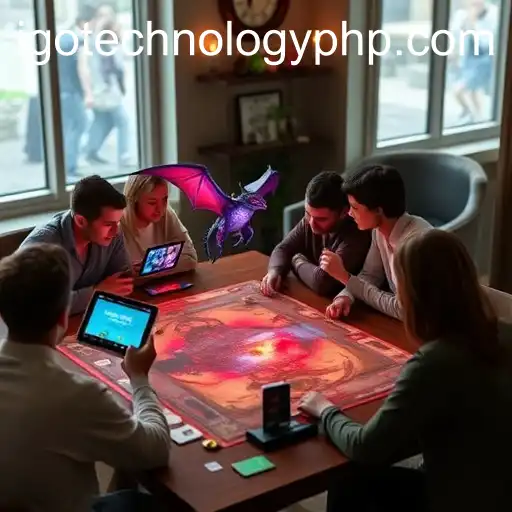
IGO Technology, short for Interactive Game Overlay, is a technological advancement designed to enhance the analog experience of tabletop games. It utilizes digital elements such as augmented reality (AR) and mobile connectivity to create interactive layers over traditional games, making them more engaging and accessible. This innovative technology allows players to enjoy a hybrid experience, combining physical game components with digital enhancements.
The Evolution of Tabletop Games
Before diving into the specifics of IGO Technology, it is crucial to understand the evolution of tabletop games. From simple strategy games in ancient cultures to modern board games that incorporate complex narratives and mechanics, tabletop gaming has continually evolved with cultural shifts and technological advancements.
In recent decades, we have witnessed games start incorporating digital apps and online formats, allowing friends and family to play together remotely. However, the core experience of gathering around a physical table remained unparalleled until the advent of technologies like IGO.
How IGO Technology Works
IGO uses a digital overlay to interact with physical game components, thereby creating a seamless fusion of the tangible and the virtual. Through AR applications on smartphones or tablets, players can hover their devices over game boards to reveal information, animate scenarios, or enhance narratives in real-time. For instance, a traditional board game could suddenly have a dragon soaring across the board or display secret passages, only visible through the digital overlay.
Interactivity and Engagement
One of the primary benefits of IGO Technology is increased interactivity. Traditional board games often rely on static components, where excitement hinges on the imagination or narrative skills of the players. However, adding a digital layer allows for dynamic storytelling and animations, greatly enhancing player engagement. Players can interact directly with digital avatars or face unpredictable challenges, making each gameplay session unique.
Accessibility and Inclusivity
Another significant advantage is accessibility. With IGO Technology, games can become more inclusive, adapting to various needs. For example, the technology can offer audio cues for visually impaired players or language translations for an international audience. These adaptations ensure that more people can participate and fully enjoy the experience without limitations.
Enhanced Social Experience
Despite fears that technology might diminish the social aspect of gaming, IGO in fact strengthens it by providing shared, enhanced gameplay experiences. The technology encourages players to collaborate and communicate more effectively to solve challenges presented within the game. It also opens up opportunities for remote players to participate in the same interactive game session, transcending geographical barriers.
The Future of Tabletop Games with IGO
Looking ahead, the possibilities for integrating IGO Technology into tabletop games appear limitless. As AR and related technologies advance, there will likely continue to be a greater push towards hybrid gaming experiences that blend digital innovation with the traditional joy of tabletop gaming. Future developments may focus on creating increasingly immersive environments, complex storylines, and adaptive narratives that change based on a player’s decisions and strategies.
Challenges and Considerations
Nevertheless, deploying IGO Technology comes with its own set of challenges. Some purists worry that it might overshadow the traditional elements that are the heart of tabletop gaming. Developers also face technical challenges in creating a seamless experience that does not overshadow or replace the essential components of the physical game.
Moreover, cost and accessibility to the required digital devices can be limiting factors for widespread adoption. Ensuring that these games are translated effectively into multiple languages, and maintaining cultural relevance for diverse player bases can also present difficulties.
Conclusion
IGO Technology represents a thrilling evolution in the world of tabletop games, promising a new era of interactivity and inclusivity. By merging digital and physical realms, it opens up an abundance of opportunities for creativity, collaboration, and innovation. As technology progresses, it will continue to shape and mold the future of gaming experiences.
Overall, the integration of IGO Technology in tabletop games not only enhances the player experience but also invites reimagining of what tabletop games can be, ensuring their relevance in the digital age. Those interested in exploring the latest in tabletop gaming innovations can find more information on various platforms and communities dedicated to sharing the excitement surrounding IGO and its potential.